
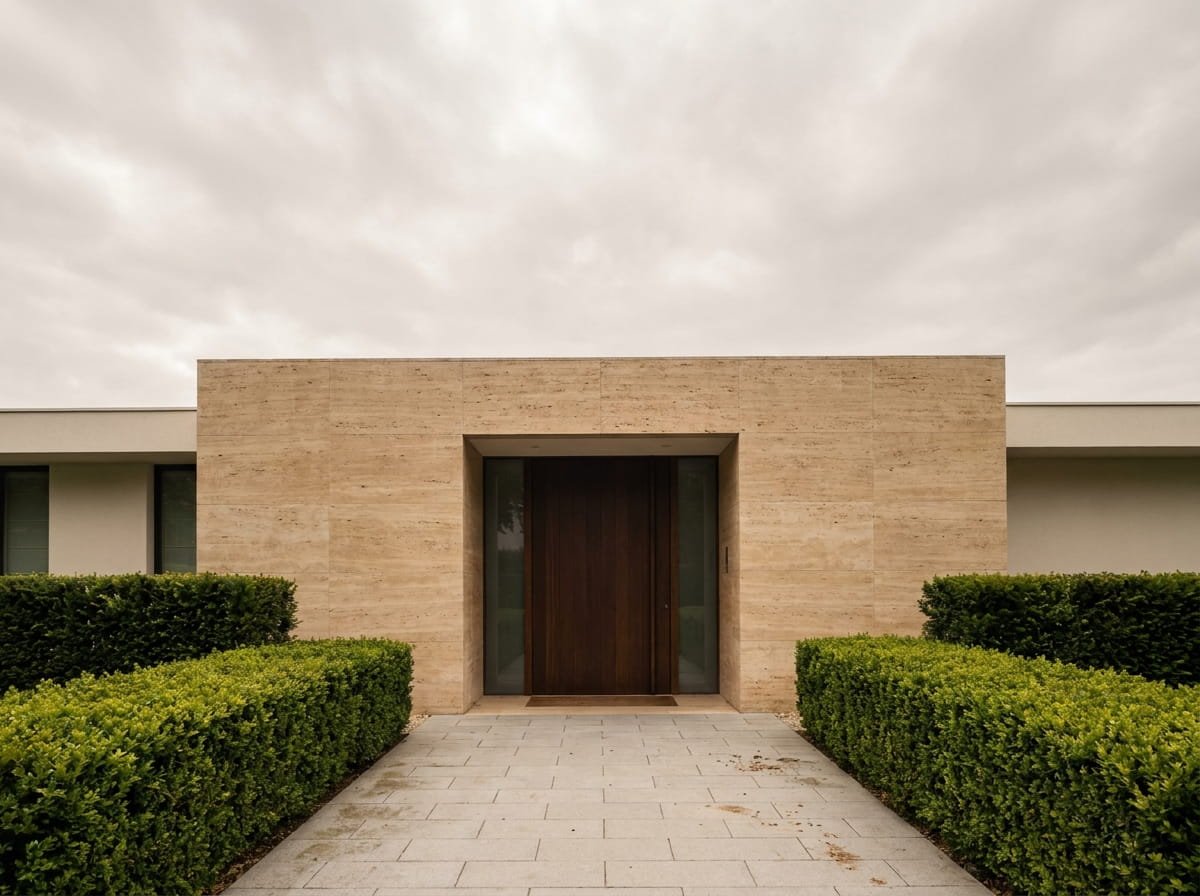
Commercial vs residential property is a decision every serious investor in Pakistan eventually has to make. For years, the default answer was residential: buy a plot, wait, sell. That approach still works, but it is no longer the obvious best choice it once was.
Commercial property investment in Pakistan is now regularly outperforming residential returns in major cities, sometimes by a wide margin. That does not make commercial the automatic right answer either. The two asset classes carry different risk profiles, different tax treatment, and different day-to-day management demands.
This guide breaks down commercial vs residential property in practical terms: rental yields, taxation, risk, and which type of investor each one actually suits. We will also look at how this framework applies to TGL Properties’ own portfolio, from residential plots like Faisal Town Phase 2 to the commercial and residential mix within Gulberg Greens.

The Core Difference in How Each Asset Performs
Residential property in Pakistan earns its return mainly through capital appreciation over time, with modest rental income along the way. Commercial property flips that balance.
It generates stronger rental income from day one. Appreciation follows business activity in the area rather than population growth alone.
This single difference drives almost everything else in the commercial vs residential property comparison.
Rental Yields: Where the Numbers Diverge
This is the most quoted, and most misunderstood, part of the comparison.
- Residential rental yield in Pakistan across major cities typically ranges from around 3% to 6.75% gross, depending on the city and property type, with apartments generally outperforming standalone houses.
- Commercial yields in well-located units regularly reach 8% to 14% gross, roughly double what comparable residential property returns in the same city.
- Prime commercial locations, such as ground-floor retail on a high-footfall road or office space in an established business district like Blue Area Islamabad, can push toward the higher end of that range or beyond, while poorly located commercial units can significantly underperform.
The gap exists because commercial tenants sign longer leases at rents tied to business turnover potential, not just square footage, while residential rents are constrained by what a household can reasonably afford to pay.

Risk Profile: Why Higher Yield Isn’t Free
Commercial vs residential property is not simply a choice between a lower-return, safer option and a higher-return, riskier one, but that framing is a useful starting point.
Residential property
- Broader, more consistent tenant demand, since almost everyone needs housing.
- Faster resale in most established societies.
- Lower vacancy risk, since rental demand for housing rarely disappears entirely.
- Lower absolute yield, with returns leaning more heavily on long-term appreciation.
Commercial property
- Higher rental yield potential, particularly in strong-footfall or business-district locations.
- Longer, more stable lease tenures with professional tenants.
- Meaningfully higher vacancy risk if the location is weak or the local business environment shifts.
- Returns are tied closely to office space Islamabad-style location quality. A commercial unit in the wrong spot can sit vacant for extended periods, something far less common with residential units.
Tax Treatment: What Actually Changes in 2026
Tax rules for commercial vs residential property in Pakistan have shifted meaningfully under the Finance Act 2026. It is worth being precise about what applies to each.
- Section 236K (buyer’s advance tax) is now 1.25% of fair market value for active filers, down from the previous 3% rate, applicable to both residential and commercial purchases.
- Section 236C (seller’s advance tax) is now 2.75% for active filers, also reduced from prior rates.
- Section 7E, the deemed income tax that once applied to idle capital assets, has been formally omitted from the Finance Act as of July 1, 2026, following the earlier court ruling that struck it down.
- Rental income tax under Section 155 applies the same rate structure to both residential and commercial rent, with withholding tax ranging based on income level and active taxpayer status.
- Capital Gains Tax for filers is a flat 15% on qualifying property sales, regardless of whether the asset is residential or commercial.
The practical takeaway is that Pakistan’s tax code no longer heavily penalizes one asset class over the other at the point of transaction. The bigger tax variable is simply your filer status, since non-filers pay substantially higher rates across both categories.
Regulatory Environment: RERA and What It Means
The government has been working to establish a Real Estate Regulatory Authority (RERA) to bring formal oversight to both residential and commercial development. This includes project approval requirements, mandatory developer registration, and licensing for real estate agents.
Implementation has been uneven and is still expanding city by city. Buyers should treat RERA as an emerging layer of protection rather than a fully mature system yet, and continue doing independent NOC and title verification regardless of a project’s RERA status.
Who Should Choose Which: A Practical Framework
Use these questions to work through commercial vs residential property for your own situation.
- Do you need immediate, meaningful rental income, or can you prioritize long-term appreciation? Commercial property generally serves income-focused investors better. Residential suits those comfortable waiting longer for returns.
- How much vacancy risk can you tolerate? A vacant residential unit is usually easier to re-rent quickly than a vacant commercial unit in a weak location.
- How actively do you want to manage the investment? Commercial tenants often require more active lease negotiation and location-specific market knowledge than residential tenants.
- What is your entry budget? Prime commercial units in established business zones typically require larger capital outlay than comparable residential entry points.
- Are you diversifying an existing portfolio, or starting from scratch? Investors already holding residential assets often add commercial property specifically to diversify income sources, rather than replacing one with the other.

How This Applies to TGL Properties’ Portfolio
The commercial vs residential property decision plays out directly across TGL’s own inventory.
Faisal Town Phase 2 represents the classic residential plot strategy, positioned near the Chakri and Thalian interchanges of the Rawalpindi Ring Road. It suits investors prioritizing long-term capital appreciation tied to infrastructure growth.
Gulberg Greens offers a genuine mix, combining residential plots with commercial plot investment opportunities within the same master-planned community. This allows investors to diversify across both asset types without leaving a single, well-established location.
EIGHTEEN and Tribeca Karachi lean toward the premium residential and lifestyle end of the spectrum, appealing to buyers prioritizing amenities and location prestige alongside investment potential.
Many of TGL’s clients do not choose one category exclusively. A common pattern is holding a residential plot for long-term growth while adding a commercial unit specifically for monthly cash flow, spreading risk across both sides of the commercial vs residential property equation rather than concentrating it in one.
FAQs
Is commercial property more profitable than residential property in Pakistan?
In terms of rental yield, commercial property generally outperforms residential, often returning 8% to 14% gross compared to roughly 3% to 6.75% for residential. However, commercial property also carries higher vacancy risk and depends more heavily on precise location quality, so higher potential yield comes with a different risk profile, not a guaranteed better outcome.
Has the tax difference between commercial and residential property changed in 2026?
Yes. The Finance Act 2026 reduced Section 236K and 236C withholding tax rates for both categories and formally removed Section 7E. At the transaction level, residential and commercial property are now taxed on largely similar terms, with filer status making a bigger difference than property type.
Which is safer for a first-time investor, commercial or residential property?
Residential property is generally considered the safer entry point for first-time investors, due to broader tenant demand, easier resale, and lower vacancy risk. Commercial property rewards investors who can accurately evaluate location quality and are comfortable with a higher risk, higher reward structure.
Can I hold both commercial and residential property at the same time?
Yes, and many experienced investors do exactly this. Combining a residential plot for long-term appreciation with a commercial unit for rental income is a common diversification strategy that balances the strengths and weaknesses of each asset class.
Does RERA cover commercial property the same way it covers residential projects?
RERA’s framework is designed to apply to both categories, requiring project approval and developer registration regardless of whether a development is residential or commercial. Implementation is still expanding, so buyers should continue independent NOC verification alongside checking any RERA-related status.
What makes a commercial property location “good” versus “risky”?
Strong commercial locations typically have high, consistent footfall, proximity to established business activity, easy accessibility, and confirmed zoning for commercial use. Weak locations often look promising on paper but lack actual foot traffic or nearby business density, which is why vacancy risk in commercial property is so closely tied to location-specific due diligence.
Final Word
There is no single right answer to commercial vs residential property. Commercial offers stronger rental yields and longer lease stability but demands more precise location judgment and carries higher vacancy risk. Residential offers steadier, broader demand and easier resale, with returns leaning more on long-term appreciation than immediate income.
The tax gap between the two has narrowed significantly under 2026 reforms, which means the decision now comes down to your income needs, risk tolerance, and how actively you want to manage the investment, rather than which category the tax code favors.
If you are weighing commercial vs residential property for your own portfolio, TGL Properties’ advisory team can walk you through current inventory across both categories, from Faisal Town Phase 2 to the mixed-use opportunities within Gulberg Greens, and help you match the right asset to your actual goals.
Join The Discussion