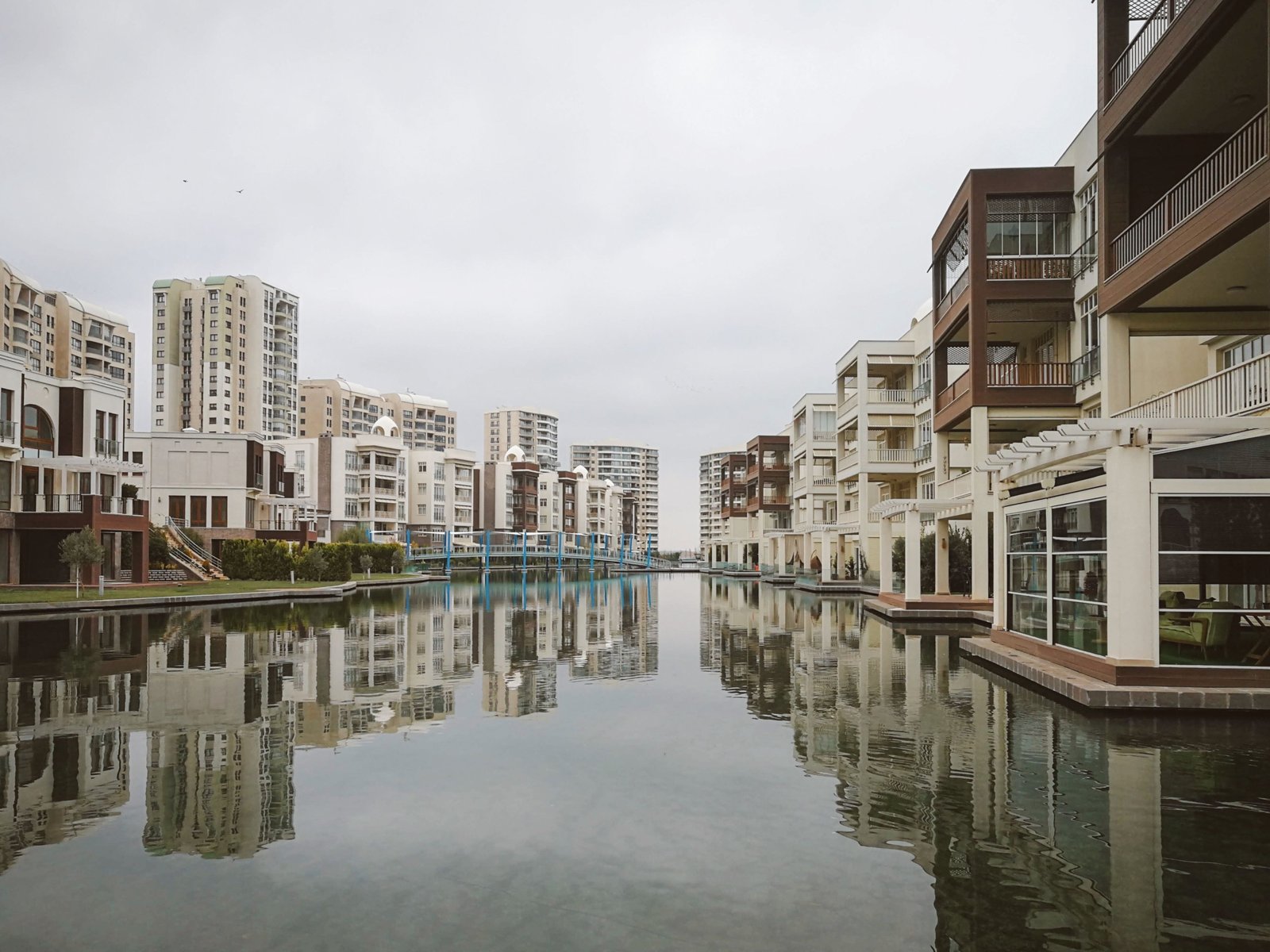
High-rise living in Pakistan has moved from a niche option to a mainstream choice in cities like Karachi, Islamabad, and Lahore. Vertical development is expanding fast, and buyers now have more apartment towers to choose from than ever before.
That growth has a downside. Not every high-rise is built or managed to the same standard, and the gap between a well-run tower and a poorly maintained one can affect your safety, your monthly costs, and your resale value for decades.
This guide walks through exactly what to check before buying into high-rise living in Pakistan, focused on three areas that matter most: elevators, facilities management, and build quality. We will also look at why these checks matter for TGL Properties’ own apartment inventory, including Tribeca Karachi and our upcoming high-rise development in Islamabad.
Why These Three Factors Matter More Than the View
Sales brochures for high-rise living in Pakistan tend to focus on skyline views, amenities, and floor plans. These are real considerations, but they are not the ones that determine whether daily life in the building actually works.
Elevators, facilities management, and build quality are the three systems that operate every single day, whether you notice them or not. When any one of them fails, the effect on daily life is immediate and hard to ignore.
Elevators: What to Actually Check
Elevators are the single most-used piece of infrastructure in a high-rise, and also the most commonly overlooked during a buyer’s site visit.
Brand and Manufacturer
Pakistan’s high-rise market uses a mix of international and regional elevator brands. Some of the more established names include:
- Otis, distributed in Pakistan through Greaves Pakistan, with a global track record that includes landmark towers such as the Burj Khalifa and the Empire State Building.
- Schindler, a Swiss manufacturer with a long history in commercial and residential vertical transport.
- KONE, a Finnish brand known for energy-efficient elevator systems.
- Mitsubishi Electric, commonly used in high-speed applications for taller buildings.
- Regional distributors such as Hi-Tech Lifts, which supply and maintain European, Korean, and Chinese brands across a large number of local projects.
A recognized brand does not guarantee good performance on its own. It does mean spare parts, trained technicians, and manufacturer-backed maintenance contracts are more likely to be available long after handover.
Elevator-to-Resident Ratio
Ask how many elevators serve the building relative to the number of units and floors. A tower with too few elevators for its unit count will mean long wait times during peak hours, particularly in the morning and evening.
Maintenance Contracts
Ask specifically whether the building has an Annual Maintenance Contract (AMC) with the original installer or a certified third party. Buildings that rely on cheaper, unlicensed local maintenance providers for cost-cutting reasons are more prone to breakdowns and safety issues over time.
Backup Power for Elevators
Confirm that elevators are connected to the building’s backup generator system, not just the main grid. Given how frequent load shedding and grid instability can be in parts of Pakistan, an elevator that stops working during a power cut is more than an inconvenience for residents on higher floors.

Facilities Management: The System Behind the Scenes
Facilities management is what keeps a high-rise functional after the ribbon-cutting ceremony is over. This is one of the most under-evaluated parts of high-rise living in Pakistan, largely because buyers rarely ask about it before signing.
In-House vs. Third-Party Facilities Management
Ask whether the building will be managed by an in-house facilities team or an outsourced, professional facilities management company. Reputable, professionally managed towers typically outsource to companies with a track record across multiple properties, since this brings standardized processes rather than ad-hoc management.
What a Strong Setup Covers
A properly run facilities management operation for a high-rise apartment building should cover:
- Building Management Systems (BMS) for centralized monitoring of electrical, HVAC, and security systems.
- 24/7 power backup, including generator capacity sized for common areas, elevators, and water pumping, not just individual units.
- Water supply and plumbing management, ensuring consistent, clean water pressure across all floors and regular checks on overhead tanks and riser pipelines.
- Security and visitor management systems, including access control and CCTV coverage.
- Preventive maintenance schedules, rather than a reactive, fix-it-when-it-breaks approach.
- Service charge transparency, with a clear, itemized breakdown of what monthly or annual charges actually cover.
Questions to Ask Before You Buy
- Who is the appointed facilities management company, and what other buildings do they manage?
- What is the current or projected monthly service charge, and what exactly does it include?
- Is there a sinking fund for major repairs, such as elevator overhauls or facade maintenance?
- How are disputes between residents and management typically resolved?
Build Quality and Fire Safety: The Most Overlooked Category
This is the area where buyers evaluating high-rise living in Pakistan need to pay the closest attention. The data on this specific point is genuinely concerning.
The Current State of Fire Safety Compliance
A CDA survey of Islamabad high-rise buildings, those taller than 15 meters, identified more than 500 such structures citywide. It found that over 50% lacked complete fire safety arrangements, including missing or poorly maintained fire alarms, extinguishers, and fire hose reels. Both government and private buildings were flagged, including several in the Red Zone and multiple blocks of the Federal Secretariat.
The picture in Rawalpindi has been even starker. Following the deadly Gul Plaza fire in Karachi, which claimed 71 lives, a district-wide survey found that only one out of more than 160 high-rise buildings in Rawalpindi met basic fire safety regulations. Authorities subsequently issued compliance notices to 163 high-rise buildings across the district.
This is not a reason to avoid high-rise living in Pakistan altogether. It is a direct argument for why fire safety verification, sometimes referred to as a fire NOC, should be one of the first things a buyer checks, rather than an afterthought.
What to Physically Verify
- Fire alarm and detection systems, confirmed as installed and functional, not just present on paper.
- Fire extinguishers and hose reels, checked for current inspection tags.
- Sprinkler systems, particularly in common areas and parking structures.
- Clearly marked emergency exits and stairwells, kept free of encroachment or storage.
- Fire hydrants, both internal and external, as required for buildings above a certain height under municipal regulations.
- A documented evacuation plan, with evidence that fire drills are actually conducted.
Structural and Seismic Considerations
Pakistan sits across multiple seismic zones, which makes structural safety a genuine concern, not just a technical checkbox. Buyers should ask whether the building’s structural design accounts for seismic loads appropriate to its location and confirm this was certified by a qualified structural engineer, ideally one associated with a recognized institution such as NESPAK or an equivalent certified consultancy.
Regulatory Clearances
High-rise construction in Pakistan requires multiple approvals depending on location. In Karachi, for example, the Civil Aviation Authority issues NOCs for buildings within a 15-kilometer radius of the airport, and in certain zones the Pakistan Air Force is also involved in clearance. Buyers should confirm that a building has secured every required NOC for its height and location before treating construction as fully compliant.
A Practical Checklist for Buyers
Use this as a quick reference the next time you tour a high-rise project.
Elevators
- Recognized brand with local service support
- Adequate elevator-to-unit ratio for the building’s size
- Active AMC with the installer or certified provider
- Backup generator connection confirmed
Facilities Management
- Named, reputable facilities management company with a verifiable track record
- Clear, itemized service charge breakdown
- Documented preventive maintenance schedule
- Sinking fund in place for major future repairs
Build Quality and Safety
- Functional fire alarm, extinguisher, and sprinkler systems with current inspection tags
- Unobstructed emergency exits and stairwells
- Seismic-appropriate structural design, certified by a qualified engineer
- All required NOCs secured for the building’s height and location
How This Applies to TGL Properties’ Apartment Inventory
High-rise living in Pakistan is exactly the category TGL Properties is expanding into, through Tribeca Karachi and our upcoming high-rise development in Islamabad. Given the fire safety and facilities management gaps documented across the market, we treat these checks as a standard part of how we vet any high-rise project before recommending it to clients, not an optional extra.
For investors and end-users evaluating apartment living, the underlying principle stays the same regardless of which building you are considering. A tower can look impressive in its lobby and marketing renders while still falling short on the systems that actually protect residents and preserve long-term value.
FAQs
Is high-rise living in Pakistan generally safe?
It can be, but safety varies significantly between buildings. Recent surveys have found meaningful gaps in fire safety compliance across a large share of high-rises in both Islamabad and Rawalpindi, which makes independent verification of fire safety systems an essential step before buying, not an optional one.
What elevator brands are considered reliable in Pakistan’s high-rise market?
Otis, Schindler, KONE, and Mitsubishi Electric are among the internationally recognized brands present in the market, alongside established regional distributors such as Hi-Tech Lifts. Brand reputation matters less on its own than confirming an active maintenance contract and local parts availability.
How can I check a building’s fire safety compliance before buying?
Ask to see current inspection tags on fire extinguishers and alarm systems, confirm sprinkler coverage in common areas, and ask whether the building has undergone any municipal or CDA-style fire safety survey. Do not rely solely on verbal assurances from the sales team.
What should a service charge in a high-rise apartment actually cover?
A well-structured service charge typically covers facilities management staffing, common area maintenance, security, generator fuel and upkeep, elevator maintenance contracts, and contributions to a sinking fund for major future repairs. Ask for an itemized breakdown rather than a single lump-sum figure.
Does building height affect which regulatory approvals are required?
Yes. Taller buildings and those located near airports typically require additional clearances, such as Civil Aviation Authority NOCs within a defined radius of an airport, on top of standard municipal development approvals. Confirming all required NOCs are in place is part of basic due diligence.
Is it worth paying more for a building with a professional, outsourced facilities management company?
In most cases, yes. Professionally managed buildings tend to have more consistent maintenance standards, clearer financial reporting, and fewer unresolved building-wide issues compared to buildings relying on informal or in-house management with no external accountability.
Final Word
High-rise living in Pakistan offers real advantages: central locations, amenities, and a lifestyle that ground-floor housing schemes cannot match. The quality of that experience depends entirely on three systems that rarely make it into a sales brochure: the elevators, the facilities management setup, and the actual build quality behind the marketing renders.
Given how much variation exists across the market, from missing fire safety equipment to inconsistent facilities management, doing this due diligence before you buy is not optional. It is the difference between a comfortable investment and a daily source of frustration.
If you are considering high-rise living in Pakistan, TGL Properties’ advisory team can walk you through the verified specifications and management standards behind our own inventory, including Tribeca Karachi and our upcoming Islamabad high-rise, before you commit any capital.
Join The Discussion