
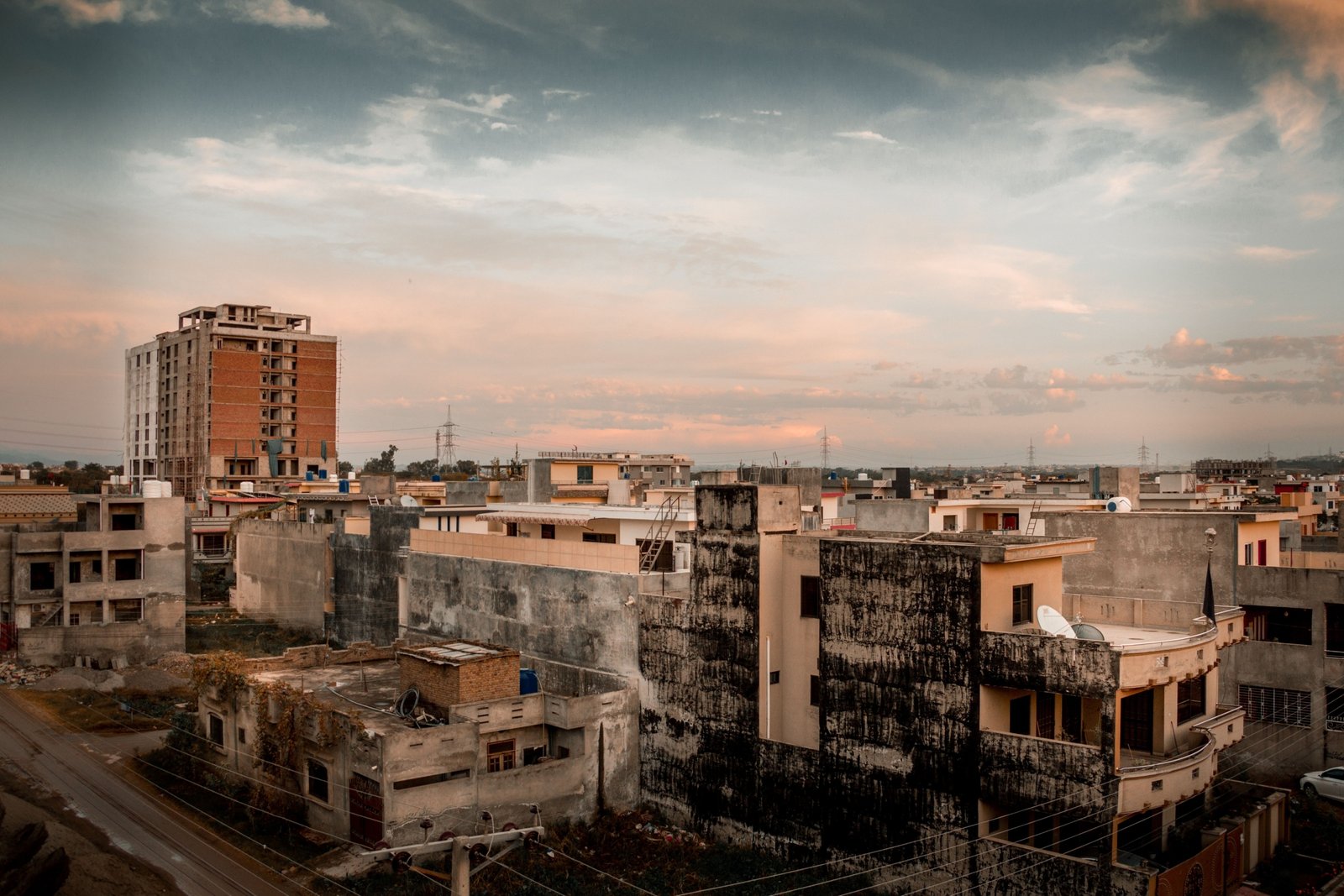
If you have a fixed amount of capital to invest and you are stuck deciding between a plot and a ready apartment, you are not alone. Plots vs ready apartments is probably the single most common question we hear from clients at TGL Properties.
The honest answer is that there is no universal winner. This is one of the most searched real estate investment options in Pakistan, and the right choice depends on your income needs, your tax exposure, your timeline, and how much patience you have for a market that does not always move in a straight line.
This article walks through the real numbers behind plots vs ready apartments in Pakistan’s current market. We will cover rental yields, tax treatment, appreciation history, and risk.
We will also look at how this decision applies to real inventory. Faisal Town Phase 2 is our plot example. Tribeca Karachi and TGL’s upcoming Islamabad high-rise are our ready apartment examples.
The Core Difference Between the Two
Before comparing numbers, it helps to be clear about what you are actually buying.
- A plot is raw or developed land in an approved housing scheme. You are buying potential. Value grows as the surrounding area develops, but the land itself generates no income until you build on it or sell it.
- A ready apartment is a completed, livable unit. You are buying a finished asset that can be occupied or rented out almost immediately after handover.
This single difference, income now versus income later, is the root of nearly every other distinction in the apartment vs plot pros and cons debate.
Rental Income: The Biggest Practical Difference
This is where plots vs ready apartments diverges most sharply.
A vacant plot earns zero rupees per month for as long as you hold it. Whatever return you get comes entirely from resale value at the end.
A ready apartment can start generating rent almost immediately after possession. Apartment rental income in Pakistan currently averages a gross yield of roughly 5.9% to 6.75% depending on the city, with Islamabad at the higher end of that range and Karachi and Lahore close behind.
Net yields, after maintenance, agent commission, and vacant periods, typically run one to two percentage points lower than the gross figure. For an investor who needs monthly cash flow, this gap is not a minor detail. It is often the deciding factor.
Tax Treatment: Plots Now Carry a Real Ongoing Cost
This part of the plots vs ready apartments comparison has changed meaningfully in recent years. Many buyers are still working from outdated assumptions.
- Section 7E now taxes idle plots valued above a certain FBR threshold at 1% of that value annually, as a deemed income tax, even though the plot generates no actual income.
- Self-occupied houses and, generally, income-producing residential property are treated differently, since they are not sitting idle in the same way.
- Capital gains tax (CGT) on property sold within the holding period has moved toward a flatter, less forgiving structure, which affects short-term flipping strategies for plots and files in particular.
The practical effect is straightforward. A plot bought purely for appreciation now carries a small but real annual tax drag on top of zero rental income. A ready apartment generating rent has actual cash flow to offset some of that exposure.

Plot Price Trends in Pakistan
None of this means plots have stopped performing. In premium, approved societies, plot price trends in Pakistan have historically shown strong nominal appreciation.
- Possession-ready plots in top-tier Islamabad societies have posted gains of roughly 15% to 20% over recent multi-year periods.
- Established sectors in major branded societies have posted annual appreciation in the 10% to 14% range over similar periods.
- Over a full ten-year horizon, developed plots in premium locations have shown nominal gains of 250% to 400%, though real gains after cumulative inflation are considerably narrower.
Apartments have closed the appreciation gap more than most buyers assume. Over a comparable ten-year window, apartments have shown moderate nominal appreciation, generally in the 200% to 280% range.
Combine that with more than a decade of compounding rental income, and the total, risk-adjusted return has made apartments a genuinely competitive option. They are not just a fallback for buyers who cannot afford a plot.
Risk and Liquidity
Plots and apartments also differ in how easily and safely you can exit the investment.
Plots
- Strong price per square yard growth potential in the right location.
- Construction risk if you plan to build later, including rising material costs and contractor delays.
- Slower resale in less established or unapproved schemes.
- Vulnerable to speculative bubbles in “file” or pre-launch stages.
Ready apartments
- Immediate usability, either for rental income or personal residence.
- Lower construction and completion risk, since the unit already exists.
- Generally easier resale in well-managed buildings in prime, high-demand locations.
- Ongoing maintenance fees and service charges that reduce net returns.

How This Applies to TGL Properties’ Portfolio
This is where best property investment in Pakistan questions become practical rather than theoretical.
Faisal Town Phase 2 is a plot-based investment positioned near the Chakri and Thalian interchanges of the Rawalpindi Ring Road corridor. That corridor has already seen meaningful land value growth tied to this infrastructure project. It fits the classic plot profile: strong appreciation potential paid for with patience and zero income during the hold period.
Tribeca Karachi and TGL Properties’ upcoming high-rise development in Islamabad represent the ready-apartment side of the equation. These suit investors who want a finished, income-capable asset in a prime urban location, with the ability to rent immediately or move in without waiting years for construction and possession.
Many of our clients do not choose one over the other. They split capital between the two, using a plot for long-term growth in an emerging corridor and an apartment for immediate rental income in an established location.
A Simple Framework for Deciding
Use these questions to work through plots vs ready apartments for your own situation.
- Do you need monthly income, or can you leave the capital untouched for five to seven years? If you need income, lean toward a ready apartment. If not, a plot remains viable.
- What is your total holding period? Plots generally reward longer horizons. Apartments start returning value from day one.
- How exposed are you to Section 7E or similar carrying costs? If your plot’s value crosses the relevant FBR threshold, factor the annual tax drag into your return calculation, not just the eventual sale price.
- Do you have the appetite to manage construction later? If not, a ready apartment removes that entire layer of risk.
- Is the project actually approved and NOC-verified? This applies to both categories, but plot-based schemes in particular have a higher rate of unapproved or speculative “file” activity that buyers should screen out first.
FAQs
Is a plot or a ready apartment a better investment in Islamabad right now?
For investors who need monthly cash flow, a ready apartment currently offers a clearer, faster return through rental yield. For investors with a five to seven year horizon and no immediate income need, a plot in an approved, well-located society still offers strong appreciation potential, particularly near confirmed infrastructure corridors.
Do plots still make sense given the new Section 7E tax?
Yes, but the calculation is different than it used to be. Section 7E applies an annual deemed income tax to idle plots above a certain FBR valuation threshold. Plots in strong locations can still outperform, but buyers should factor this tax into their expected return.
What rental yield can I expect from a ready apartment in Pakistan?
Gross rental yields across major cities currently range from roughly 5.9% to 6.75% depending on the city, with Islamabad generally at the higher end. Net yields after maintenance, agent fees, and vacancy periods typically run one to two percentage points lower.
Can I combine both strategies instead of choosing one?
Yes, and many experienced investors do exactly this. Splitting capital between a growth-oriented plot and an income-producing apartment reduces reliance on a single market outcome.
Which TGL Properties inventory fits each strategy?
Faisal Town Phase 2 fits the plot-based, long-term appreciation strategy, given its position near the Rawalpindi Ring Road’s Chakri and Thalian interchanges. Tribeca Karachi and TGL’s upcoming Islamabad high-rise fit the ready-apartment, income-focused strategy.
Is it riskier to buy a plot than a ready apartment?
The risk profile is different rather than simply higher or lower. Plots carry construction risk and exposure to unapproved “file” schemes. Ready apartments carry less construction risk but come with ongoing maintenance costs and structural depreciation over time, even as the land beneath the building holds value.
Final Word
There is no single correct answer to plots vs ready apartments. It depends on whether you value income now or growth later, how much tax exposure you are willing to carry, and how long you can realistically hold the investment.
Plots continue to offer strong appreciation potential in the right locations. Ready apartments now offer a level of rental income and liquidity that makes them a genuinely competitive choice rather than a consolation prize.
If you are weighing plots vs ready apartments for your own portfolio, TGL Properties’ advisory team can walk you through current inventory across both categories, from Faisal Town Phase 2 to Tribeca Karachi and our upcoming Islamabad high-rise, and help you match the right asset to your actual financial goals.
Join The Discussion